

Contact center teams continue pushing automation further into the customer experience. Klarna’s AI assistant did the work of 700 customer service agents when it launched, and the company told CNBC this year that the figure now stands at 800. Klarna also rehired customer service staff after the AI performed less well on complex cases.
Your automations may not be as expansive as this example, but the fact remains:
AI-powered automation puts software into contacts once run entirely through people.
Now the contact center is coming to terms with a subtle truth: more than a few metrics used to report on these customer contacts were defined before this level of automation existed. Average handle time, for example. Containment and cost per contact.
Here’s how five core contact center metrics have changed in light of automation, and how teams can realign them with how customer work is done today.

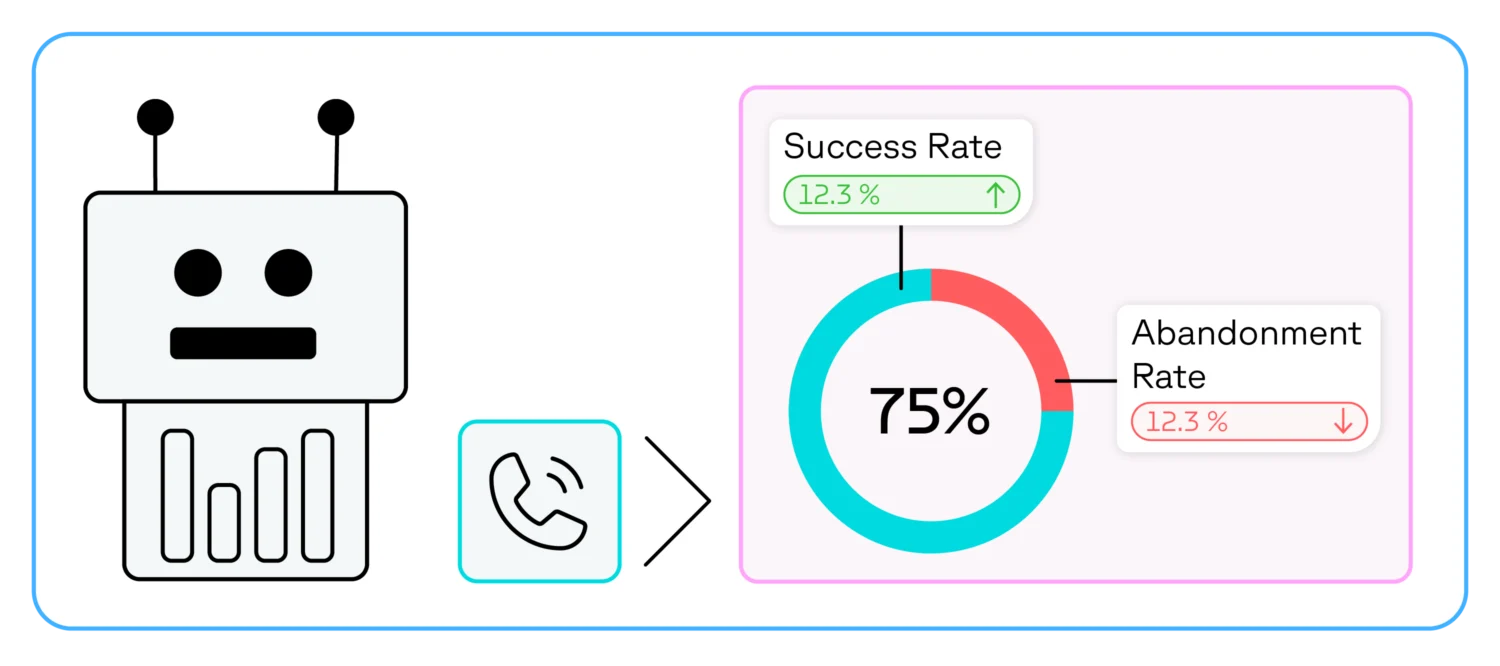
1. Containment rate has evolved into a quality metric
Containment tells you how much contact volume never reached a human. Nowadays, the containment rate metric has to differentiate between iterations of a “contained” contact. A customer who resolved their issue is straightforward enough. What about the customer who gave up?
Both count as contained, but containment in the traditional sense lacks a mechanism for telling resolution and abandonment apart. That mattered less when containment only had to cover simple IVR self-service and a handful of balance checks. An AI agent handling billing disputes and warranty questions changes the calculus significantly.
The solution is to confirm resolution after the fact, by checking whether the same customer comes back on the same issue inside a defined window. That window’s length is a judgment call, and it will likely differ between different case types (billing queries vs. warranty claims, for example). Containment keeps doing the job it was built for, and the resolution check answers the question it was never designed to answer.

2. Handle time now captures only part of a contact
Average handle time was developed to measure contacts handled by people from open to close. That assumption held for years and produced a reliable metric. Things change when an AI agent handles the first part of the contact.
If only the human-assisted portion of a contact gets timed, however, while the automated portion is logged in another system (or not at all), then total time to resolution can climb while AHT falls. The same metric (AHT) now captures only a part of the same contact.
The question for contact centers is, what does your AHT denominator count, contacts or human-handled contacts? Where does pre-handoff time fit in? Teams answer that differently, and the answer decides whether this quarter’s AHT compares to last year’s.

3. Cost per contact drops on repeat contacts
Cost per contact divides operating cost by contact volume. It prices handling, and it comes straight out of data you already have. Cost per resolution requires a definition of resolution, and you need to attribute cost across the automated and the human handling of a single contact.
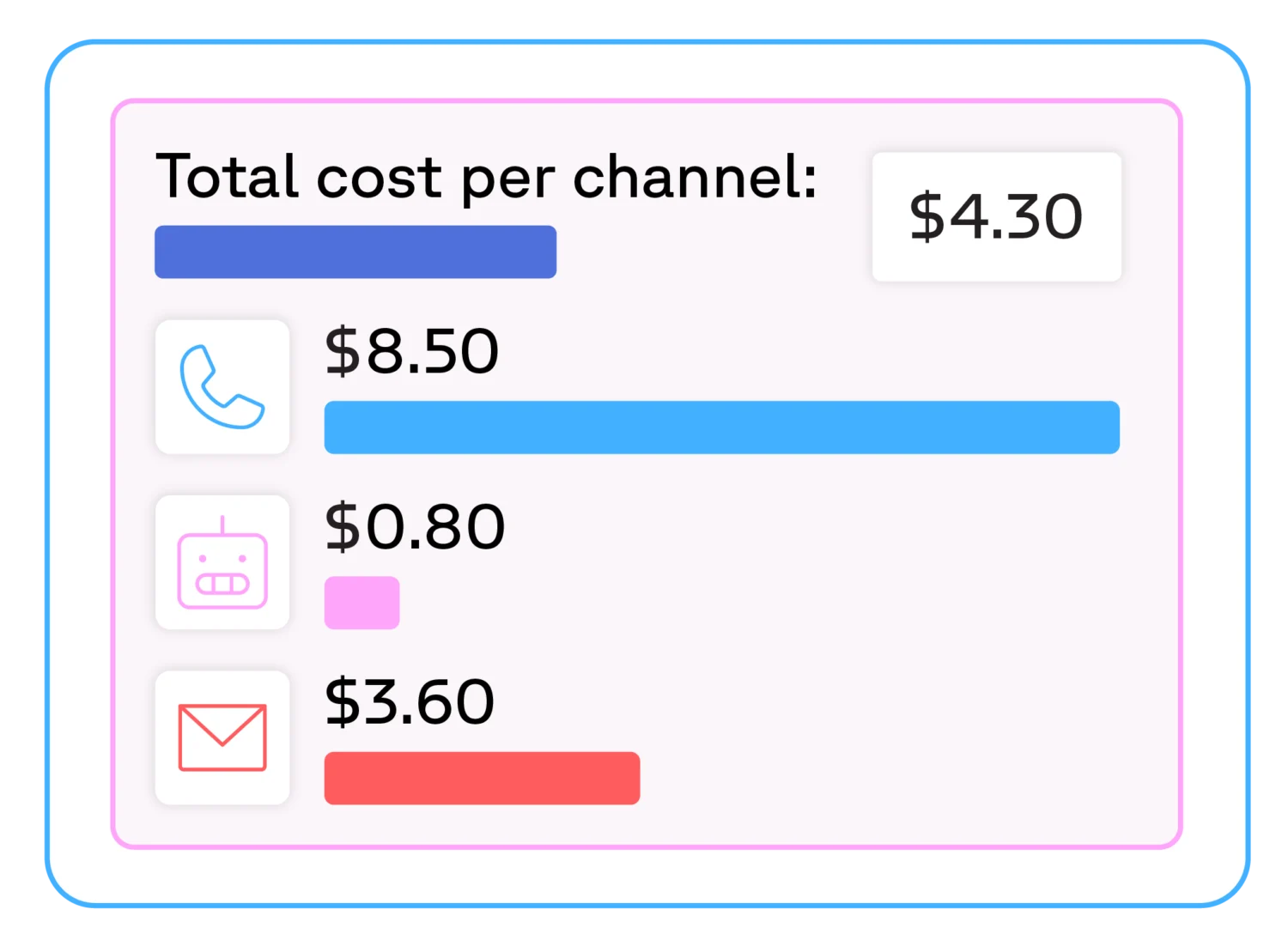
A business case resting on cost per contact can report cost falling while the cost of getting an issue resolved climbs. A contact resolved on the second attempt lands twice in the denominator, and the first failure lands nowhere. We’ve made a version of this argument about where the ROI case study quietly breaks down, and about what agentic AI costs beyond per-seat licensing.
Then there is after-conversation work. Agents that keep working on cases after the conversations end accrue cost outside the contact window entirely, which per-contact accounting has no way to capture. Cisco put that capability on a 2027 timeline with Dialog, which gives finance teams a year to decide how this form of automation gets counted. Predictability will depend on the controls in place.

4. Emotion analysis follows different rules for your agents
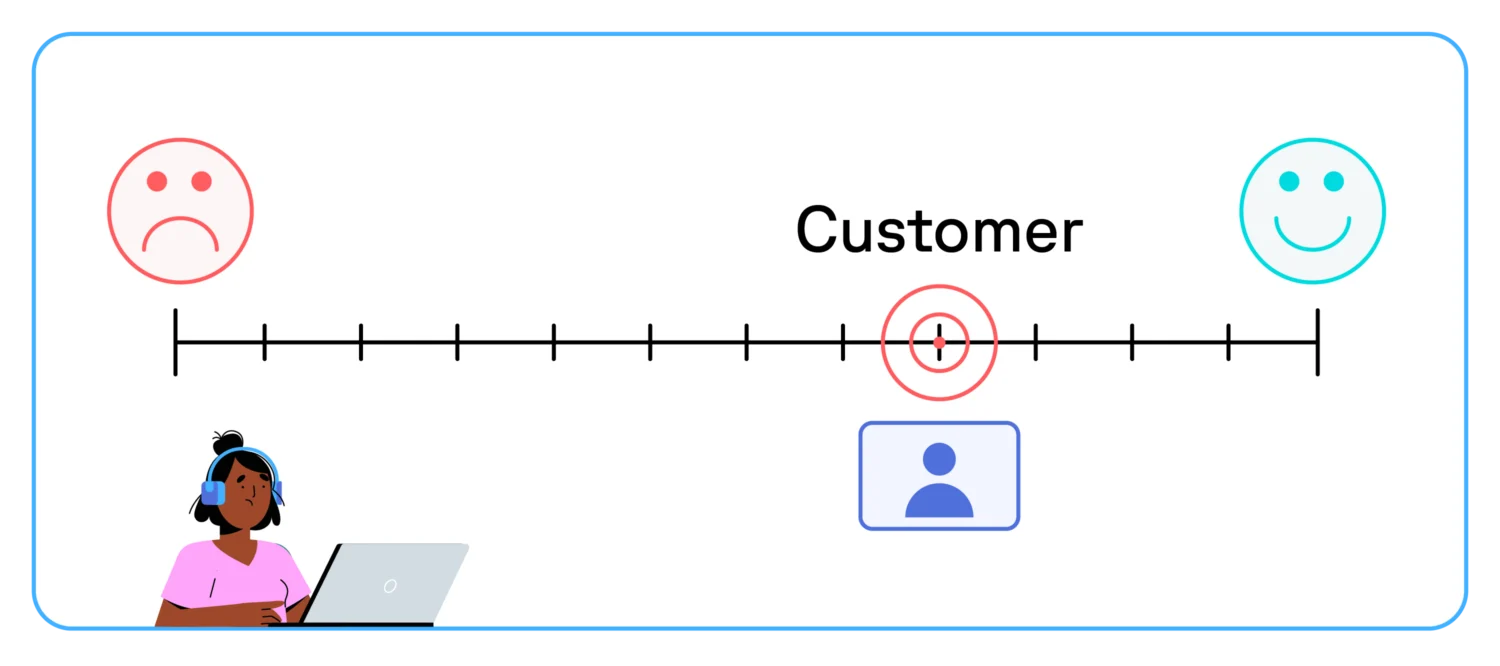
Forrester scores customer experience on effectiveness, ease, and emotional quality. In its 2026 U.S. CX Index, it names emotion the strongest predictor of loyalty, advocacy, and retention.
Emotion has become a practical contact center metric because automation makes it measurable at scale. Scoring every interaction for sentiment is something software can do, and a QA team working from samples cannot.
The rules depend on whose voice the software is reading. Running sentiment analysis on the agent handling a call falls inside the prohibited tier of the EU AI Act, which has applied since February 2025 and carries a narrow carve-out for medical and safety purposes. Pointing the same analysis at the customer is permitted and comes with its own obligations, including transparency toward the person being analyzed. Analyzing the written transcript of a conversation, rather than the audio itself, is a third case to consider.
An organization with no European operations faces a different picture, and U.S. state rules move on their own timeline.

5. Repeat contact rate undercounts across separate systems
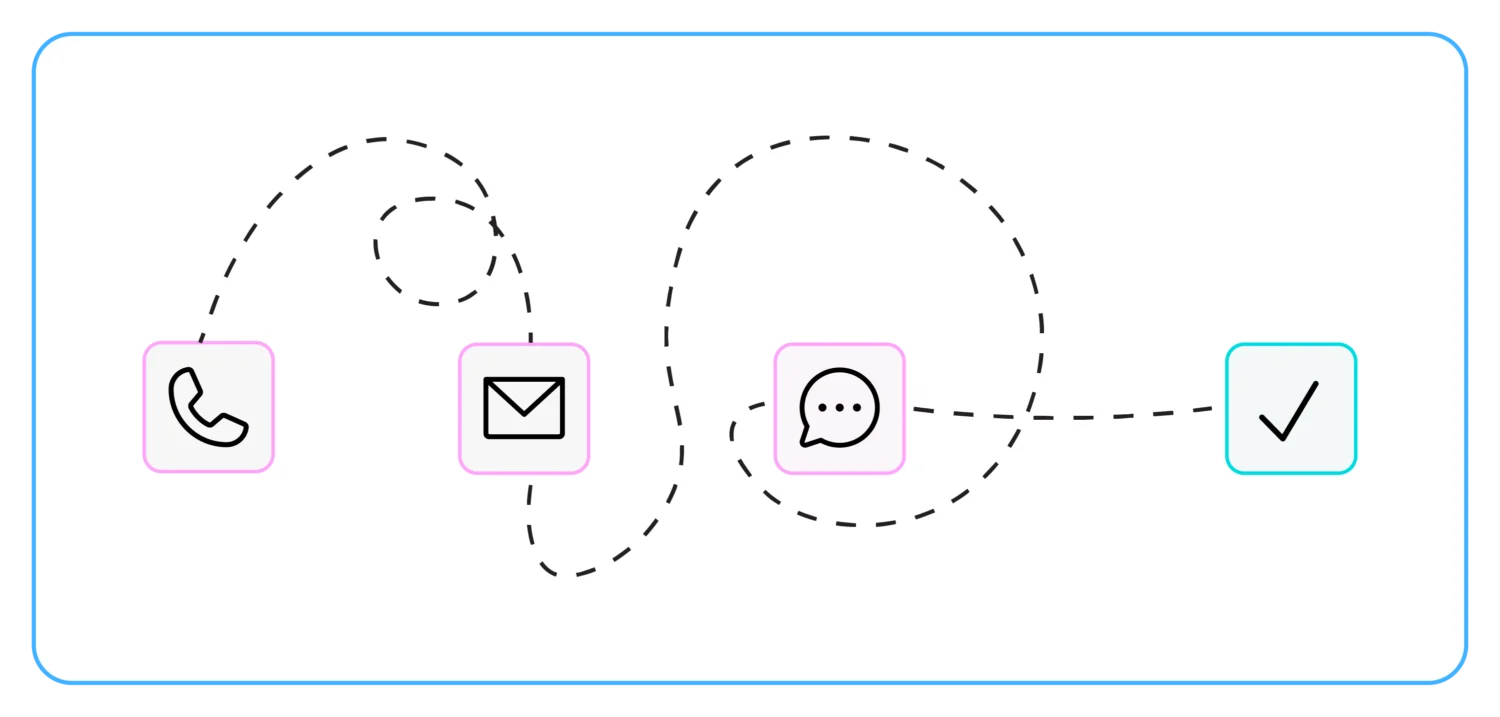
Repeat contact rate ranks among the more useful outcome metrics available. Producing it depends on knowing that two interactions came from the same person about the same issue. That requires a) identity resolved across channels, and b) automated interactions written to the same customer record as the human ones.
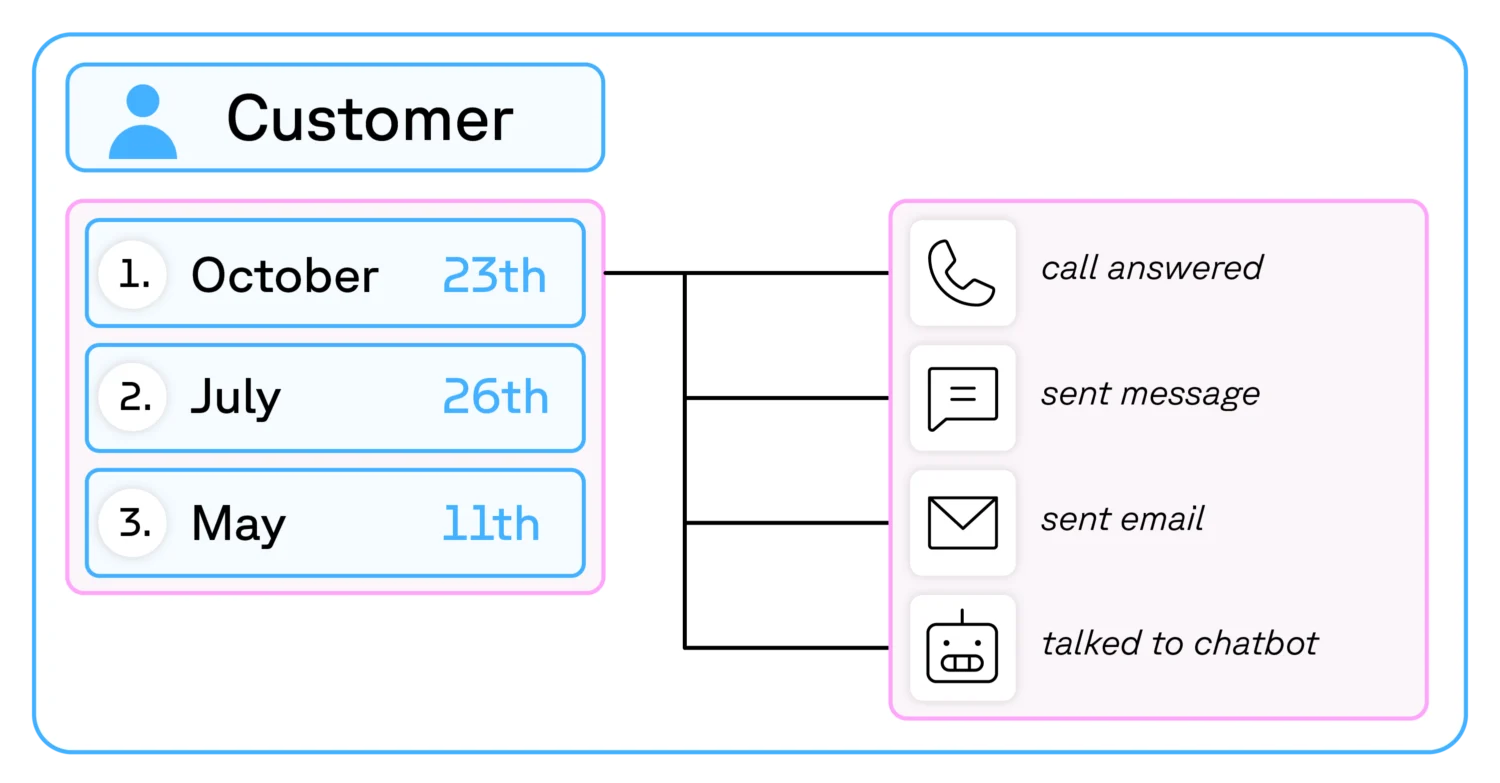
An organization running one channel against one record can measure this today. An organization with chat in one system and voice in another measures per-channel repeat rate, which reports a lower number than what’s reflective of the true customer experience.
This metric varies most between organizations, but it’s ultimately a data integration problem. No change to a reporting template fixes it. Whether repeat contact rate can recognize a Tuesday bot conversation and a Thursday phone call as one person’s second attempt comes down to unified customer identity and reliable data access.
Automation adds a step to the customer’s path. Repeat contact rate counts it only if the record does.

Start with updated definitions for your core contact center metrics
Before making updates to reporting or tooling, audit the standing definitions for your core metrics. For some metrics, those definitions may no longer be aligned with how your people—and automations—handle cases.
Some metrics may require a companion number rather than a wholesale change, as with containment. How some are measured in the first place may need to evolve, as with handle time. Still some others may require a new input you don’t currently collect, as with cost per resolution and repeat contact rate.
Start with how your organization defines these metrics. It may cost you comparison with prior periods if you opt to update or redefine a given metric. A service leader who has built credibility on a long-reported number should make that trade knowingly rather than discover it in a quarterly review.
Talk to us about your contact center metrics.