Skip to content
Service Excellence

Managed services for when operational drift isn't an option.

Ongoing operational ownership that keeps your contact center performing as demands change.

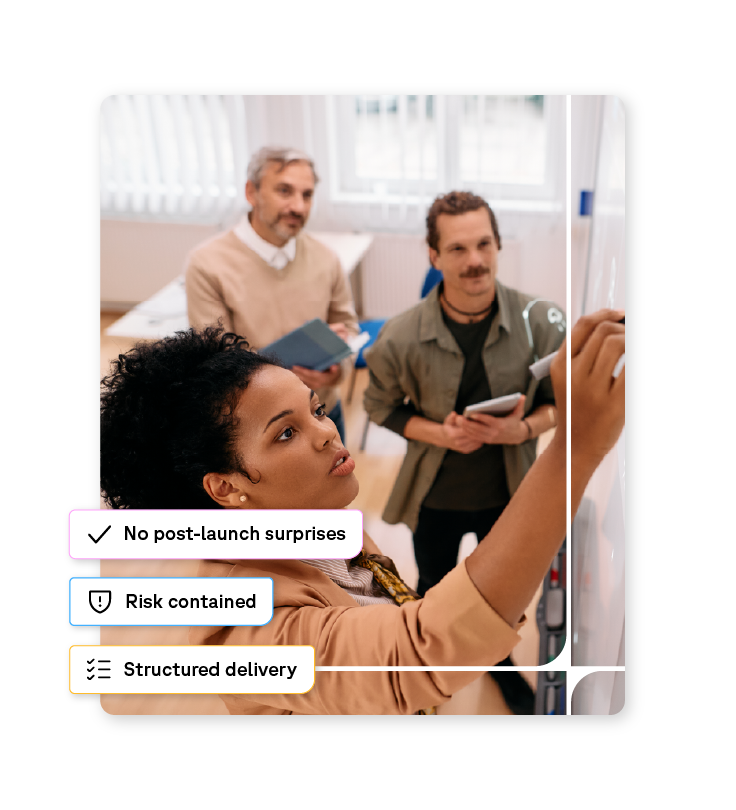
A person writes no post-launch surprises, risk contained, and structured delivery on a whiteboard for colleagues discussing contact center CRM integration.

Structured ownership of the operational layer.

Managed Services works alongside our day-to-day technical support, under a different operating model. Where support is incident-driven and bound by defined SLAs, Managed Services takes ongoing accountability for the health of the environment between incidents. This includes slow-moving operational issues that never generate a ticket but quietly degrade performance.

#01

Service delivery management.

A dedicated Service Delivery Manager owns the operational relationship between your contact center and the outcomes it's there to support. That means proactive health checks, structured service reviews, and the kind of forward-looking success planning that catches drift early, before it shows up as missed SLAs or quiet erosion in CSAT.

#02

Controlled change management.

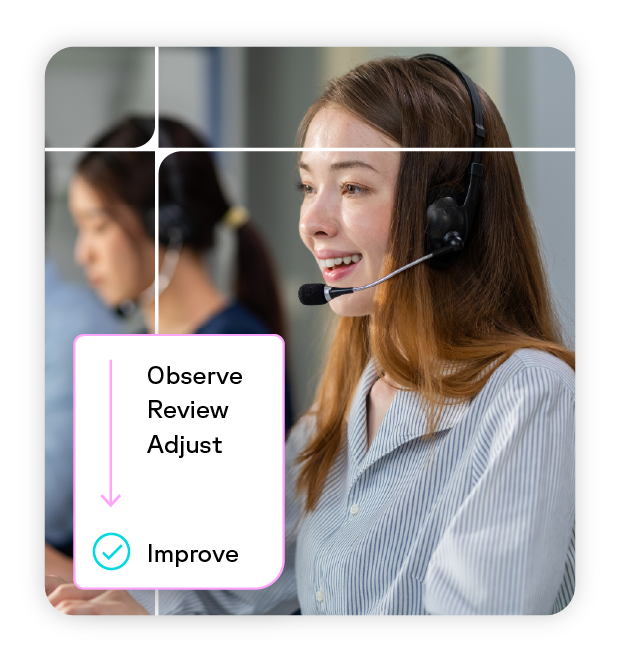
In a mature contact center, the changes that cause problems usually aren't the ones with project plans behind them. They're the routing tweaks and configuration updates made between formal releases. We move every change through structured intake, validate it against formal change control, and close it with a complete audit trail, so day-to-day adjustments don't compound into the kind of risk that surfaces at your next audit or peak period.

#03

An operating model that evolves with the business.

Contact center operations don't stand still. Volumes shift, channel mixes evolve, and the components running underneath get updated whether you're ready or not. We retune the platform as conditions change, refine workflows as channel patterns shift, and advise on every release before it reaches production, so the operating model keeps moving in step with the business it's there to support.

Frequently asked questions

Contact center managed services provide ongoing operational ownership after implementation. Bucher + Suter helps monitor the health of your contact center environment, manage changes, review performance, and adapt the platform as business and customer needs evolve.

Technical support is incident-driven and works within defined SLAs. Managed Services takes a more proactive approach, focusing on the ongoing health and performance of your contact center between incidents, including operational issues that may not generate a support ticket.

Managed Services combines proactive health checks, structured service reviews, and forward-looking planning to identify operational drift early. As volumes, channels, and business requirements change, the environment can be adjusted to keep pace.

A dedicated Service Delivery Manager owns the operational relationship between your contact center and the outcomes it supports. This includes proactive health checks, structured service reviews, and success planning designed to identify issues before they affect service levels or customer satisfaction.

Changes such as routing adjustments and configuration updates move through structured intake and formal change control. Each change is validated and documented with an audit trail, helping reduce the risk that everyday adjustments create bigger operational problems later.

Yes. Contact center environments need to evolve as volumes shift, channel mixes change, and underlying technology is updated. Bucher + Suter can retune the platform, refine workflows, and advise on releases before they reach production.

Yes. The focus of Managed Services is ongoing operational ownership, helping keep the contact center running, improving, and adapting beyond launch rather than treating implementation as the end of the engagement.

Learn more about managed services from Bucher + Suter.

Contact us to see how our expert team can help.