
#01
Real-time transcription and conversation summarization.
Set the direction, boundaries, and priorities for AI in your contact center, then lock in the technology to support your vision.
There’s no shortage of AI solutions or vendor demos. What’s missing is a clear view of where AI belongs in your specific service operation. What results can you expect in real-world conditions? What does it take to make agentic AI behave reliably alongside the systems, data, and teams already in place?
What’s the cost of getting it wrong?
Those are the questions an AI strategy should answer. Working through them deliberately, before selecting tools, is what separates durable AI from another forgotten pilot.

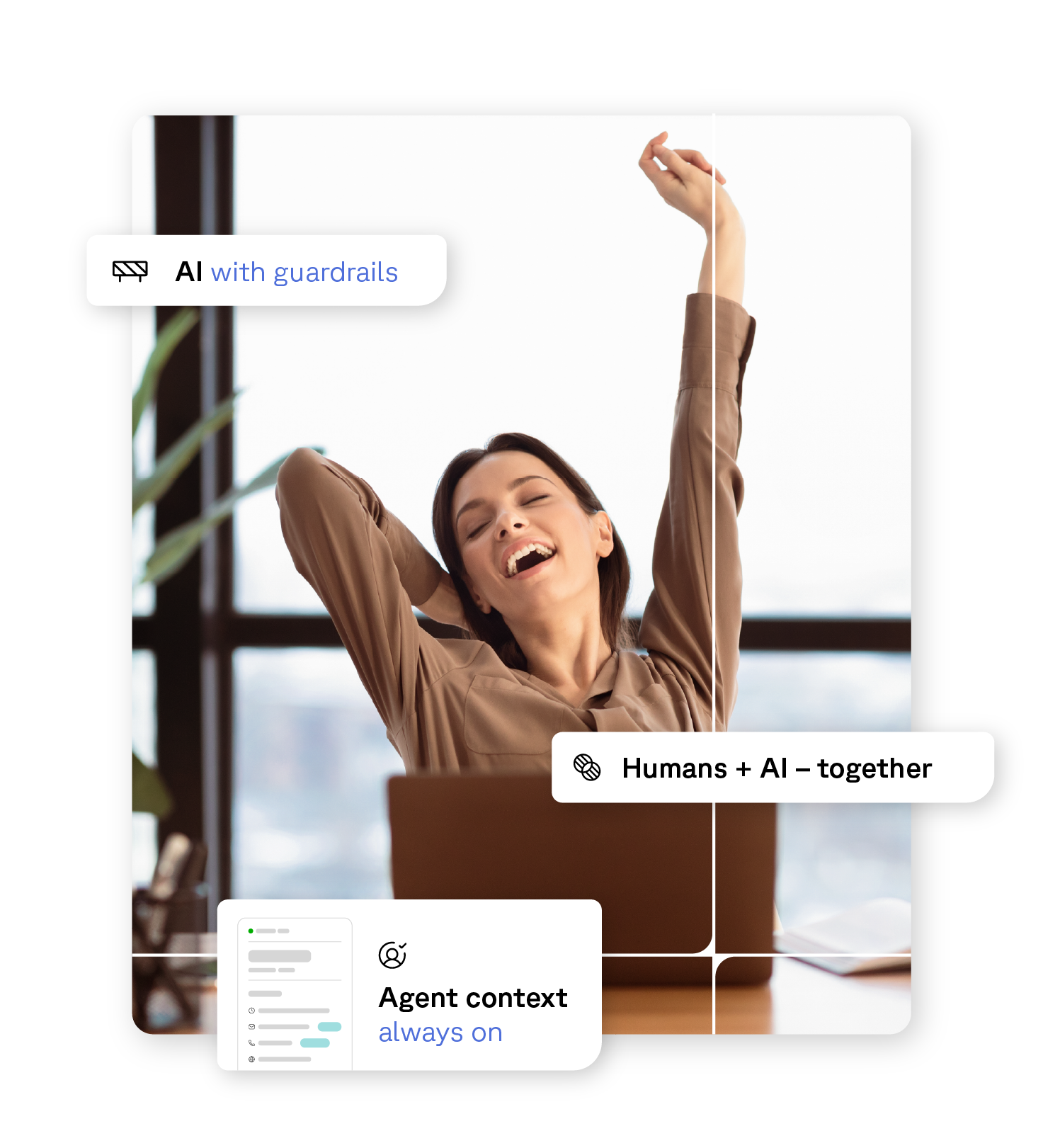
AI tends to deliver the most predictable value in support of the people handling complex interactions. The goal is to improve work that’s already happening, rather than replace it.
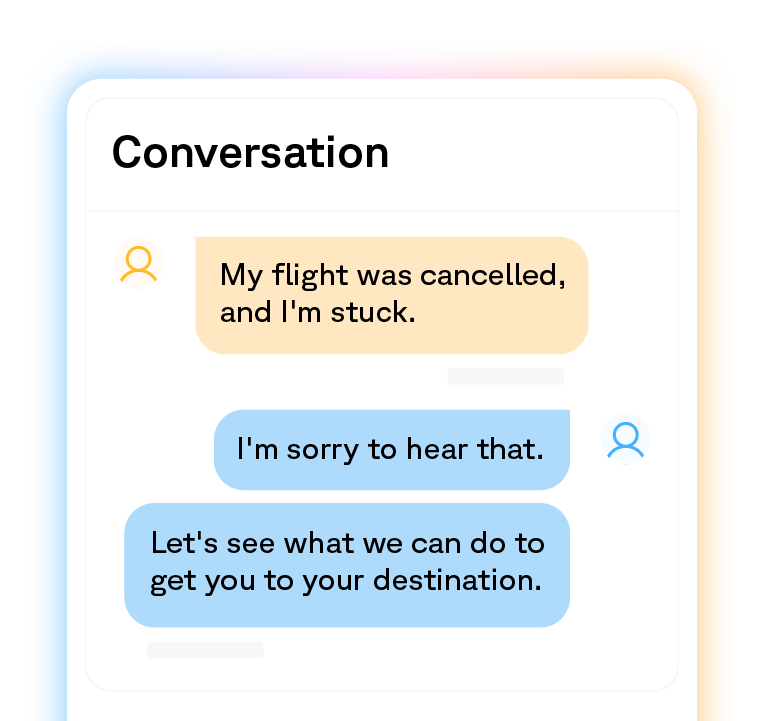
Identify which interactions are genuinely suited to autonomous handling through voice- or chatbots, what the experience looks like when the bot is wrong, and how the handoff to a human agent preserves context rather than restarting it.
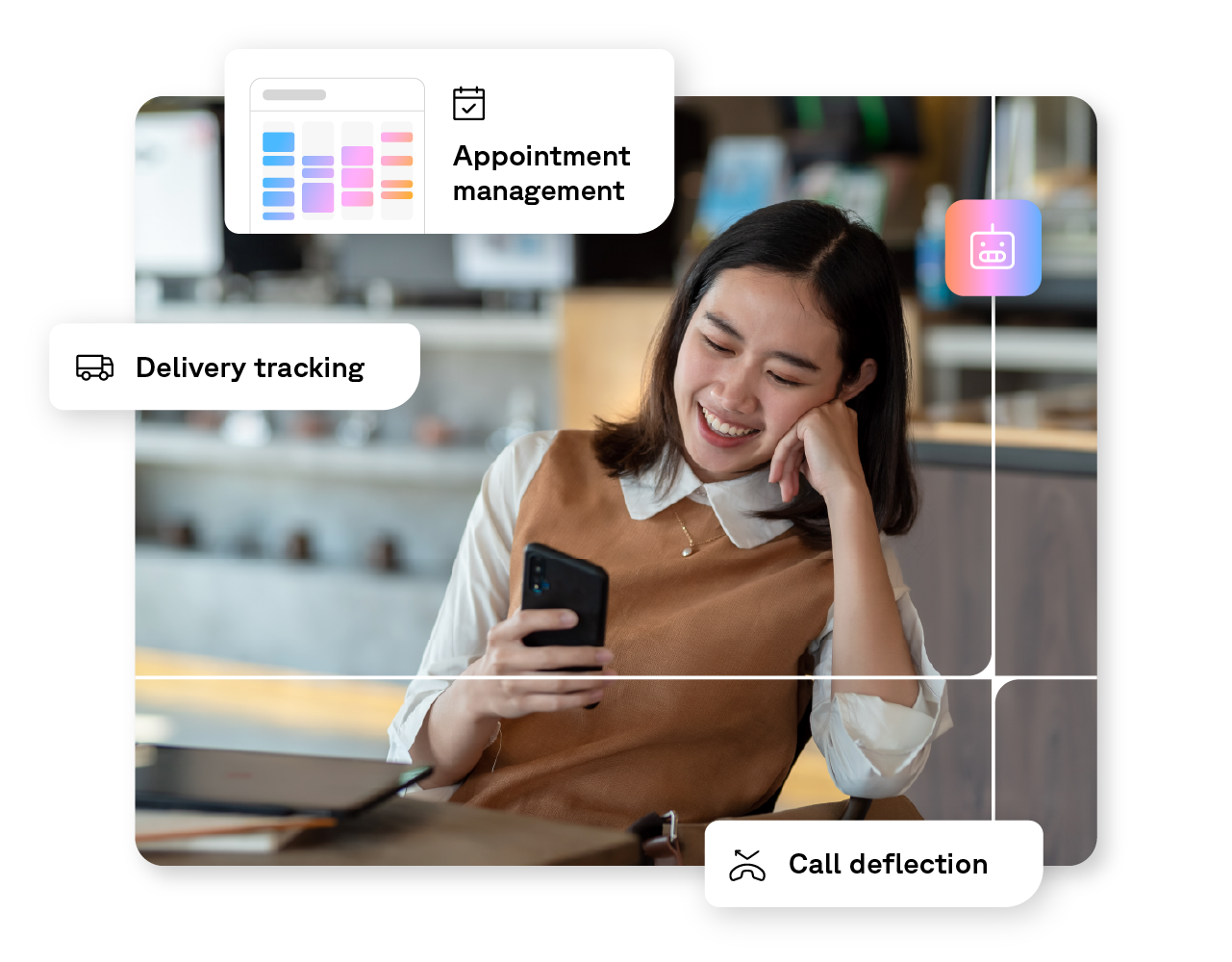
• Appointment scheduling and management
• Identification
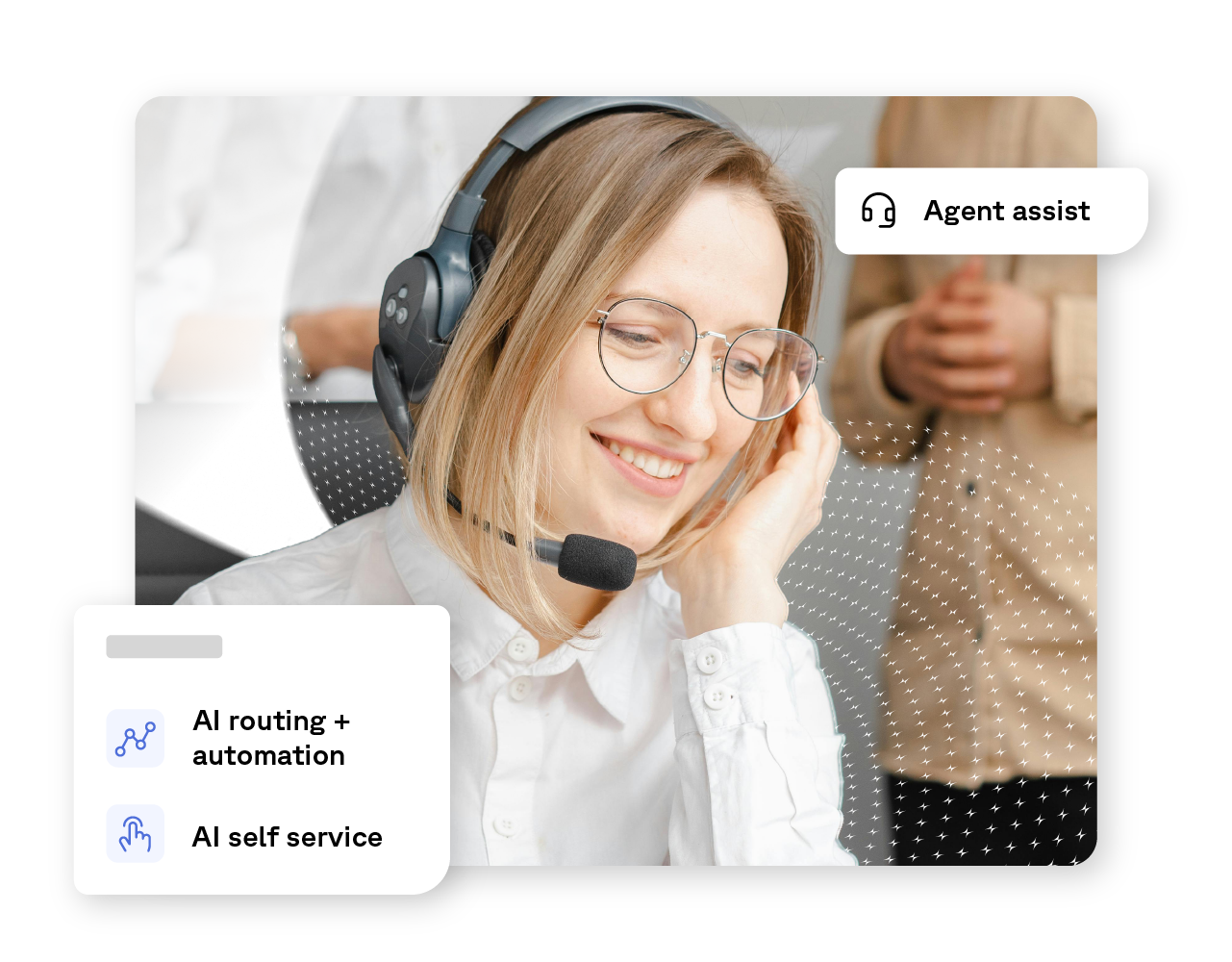
• Intent-based routing
• Call deflection
• Billing queries
• Password resets
• Delivery tracking
• Sentiment analysis and escalation

We work with your team to articulate what you're trying to do today vs. over the next few years. That includes service expectations, channel mix, agent operating model, regulatory environment, and the shape of your customer base.
We focus on use cases where the data is available, the workflow is clear, and the value can be measured against something that matters to your business. That's the bar we set before anything moves into a pilot.

AI in a contact center has to work alongside your CRM, routing logic, and reporting—not to mention the people running everyday operations. We design the strategy with those dependencies in view, rather than treating them as integration problems to solve later.
From focused strategy work comes a sequenced plan that moves the operation forward in defensible stages. Where to start, what to prove, what to scale, what to set aside. Each stage carries a clear outcome, an honest cost, and a way to know whether it's working before the next one begins.
Governance, data ownership, and post-launch change management belong in the design phase. When they get treated as integration problems to solve later, they tend to be the reasons an AI deployment underperforms.


A global insurer's voice AI program began with extensive strategy work around how AI would operate in the voice channel, well before any platform commitments were made. The deployment that followed was grounded in realistic use cases, with the data architecture, integration model, and operational support designed to carry it.
The 24/7 AI-supported phone service it produced delivered measurable cost and performance improvements, and continues to operate at scale today.
Practical insights on contact center AI strategy, automation, and service transformation, helping CX leaders identify the right use cases, improve customer experiences, and deliver measurable business outcomes with AI.
A contact center AI strategy defines where AI belongs in your service operation, what it should achieve, and what needs to be in place for it to work reliably. It aligns AI use cases, technology, data, workflows, people, governance, and measurable business outcomes before tools are selected.
Starting with a strategy helps you choose technology based on real operational needs rather than vendor demonstrations or isolated features. It establishes the direction, boundaries, priorities, and expected outcomes for AI before you commit to a platform or pilot.
We focus on contact center AI use cases where the data is available, the workflow is clear, and the value can be measured against an outcome that matters to the business. This helps separate practical opportunities from ideas that are not yet ready to move into a pilot.
AI can support agents through capabilities such as real-time transcription, conversation summarization, and relevant answers or context during customer interactions. The goal is to improve work that is already happening and help agents handle complex interactions, rather than simply replace people.
A contact center AI roadmap should provide a sequenced plan for what to start, prove, scale, or set aside. Each stage should have a clear outcome, an honest view of cost, and a way to determine whether it is working before the organization moves forward.
Contact center AI needs to work alongside systems such as your CRM, routing logic, reporting, data sources, and established workflows. Considering these dependencies during strategy development helps avoid treating critical operational requirements as integration problems later.
AI governance defines how data, ownership, oversight, risk, and accountability will be managed. Governance, data ownership, and post-launch change management should be addressed during the design phase because they directly affect how well an AI deployment performs in real operations.
Success should be measured against the specific operational or business outcome established for each AI use case. Defining that outcome before a pilot begins makes it easier to determine what is working, what should scale, and what should be reconsidered.