
Skip to content
Healthcare

Contact center operations for healthcare. Evolved for patient-first service.

Voice, digital channels, and patient inquiries operated inside one environment

Patient communication: core to overall care

The contact center is often where patients decide whether the system is working for them or against them. Every touchpoint—from appointments and prior authorizations to billing and prescriptions—affects access, retention, and outcomes.

74% of physicians agree they have become increasingly overwhelmed by patient communication (2025 athenahealth Physician Sentiment Survey)

#01

Service interactions can determine whether a care plan moves forward

Customer care plans depend on efficient service and trustworthy information. Communication failures show up later as missed appointments, abandoned treatment plans, and avoidable readmissions.

#02

What slows the patient down also slows the care team

Every minute agents spend searching for answers is a minute the patient waits. The same goes for clinical and administrative staff handling escalations, callbacks, and chart updates.

#03

Most patient interactions touch multiple systems before resolution

An inquiry may draw on EHR, contact center platform, and billing systems during the same call. If those systems can't share context in real time, agents have to repeat steps, while patients have to repeat themselves.

How we bring patient communication into one operating environment.

For more than two decades, Bucher + Suter has built and operated contact center environments for healthcare organizations whose service work is closely tied to clinical, administrative, and pharmaceutical systems.

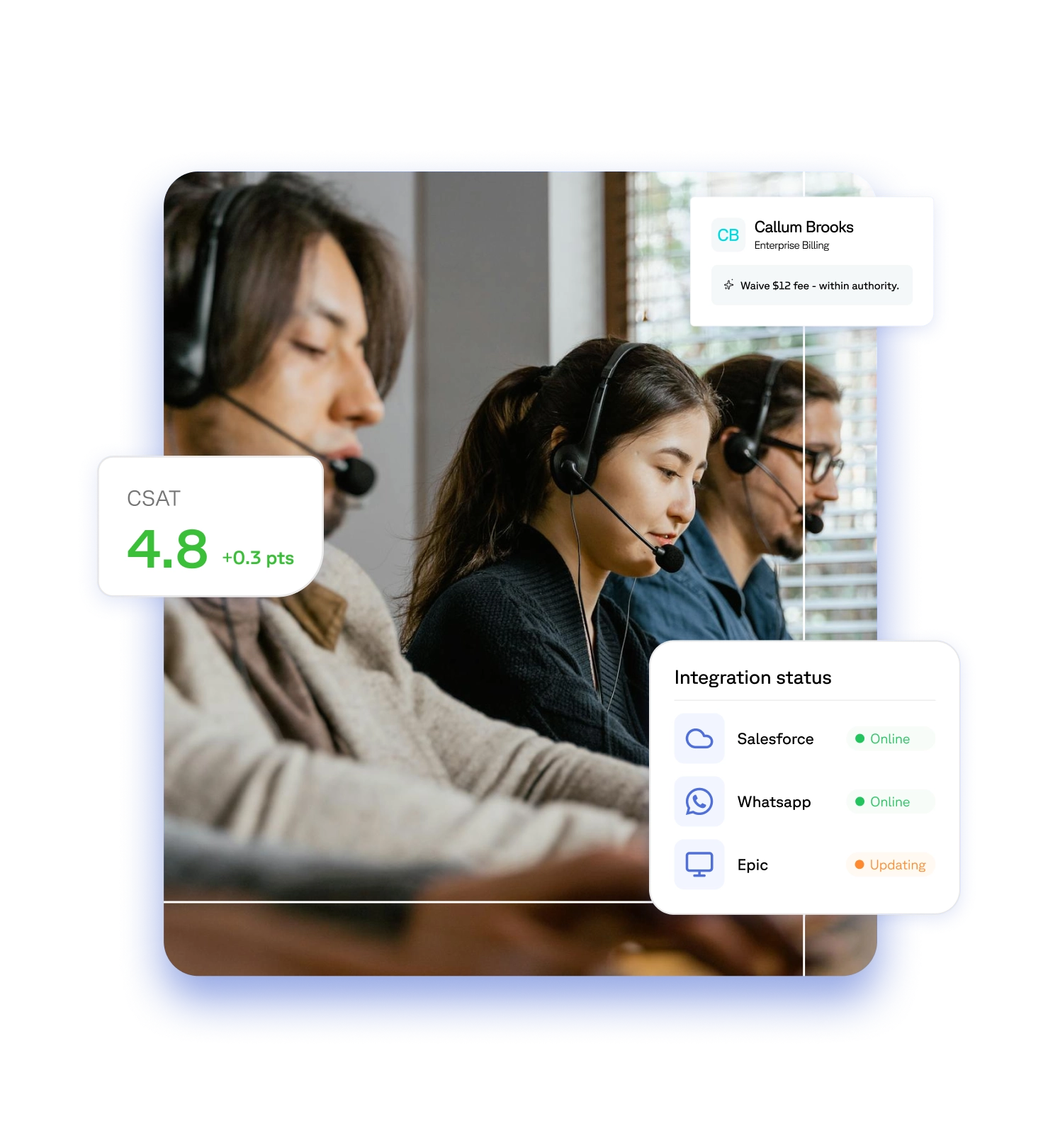
Cisco and Webex Contact Center integrate with the CRM and healthcare systems your teams rely on, including Salesforce, Microsoft Dynamics, ServiceNow, and Epic.

Result: Patient context moves with the interaction

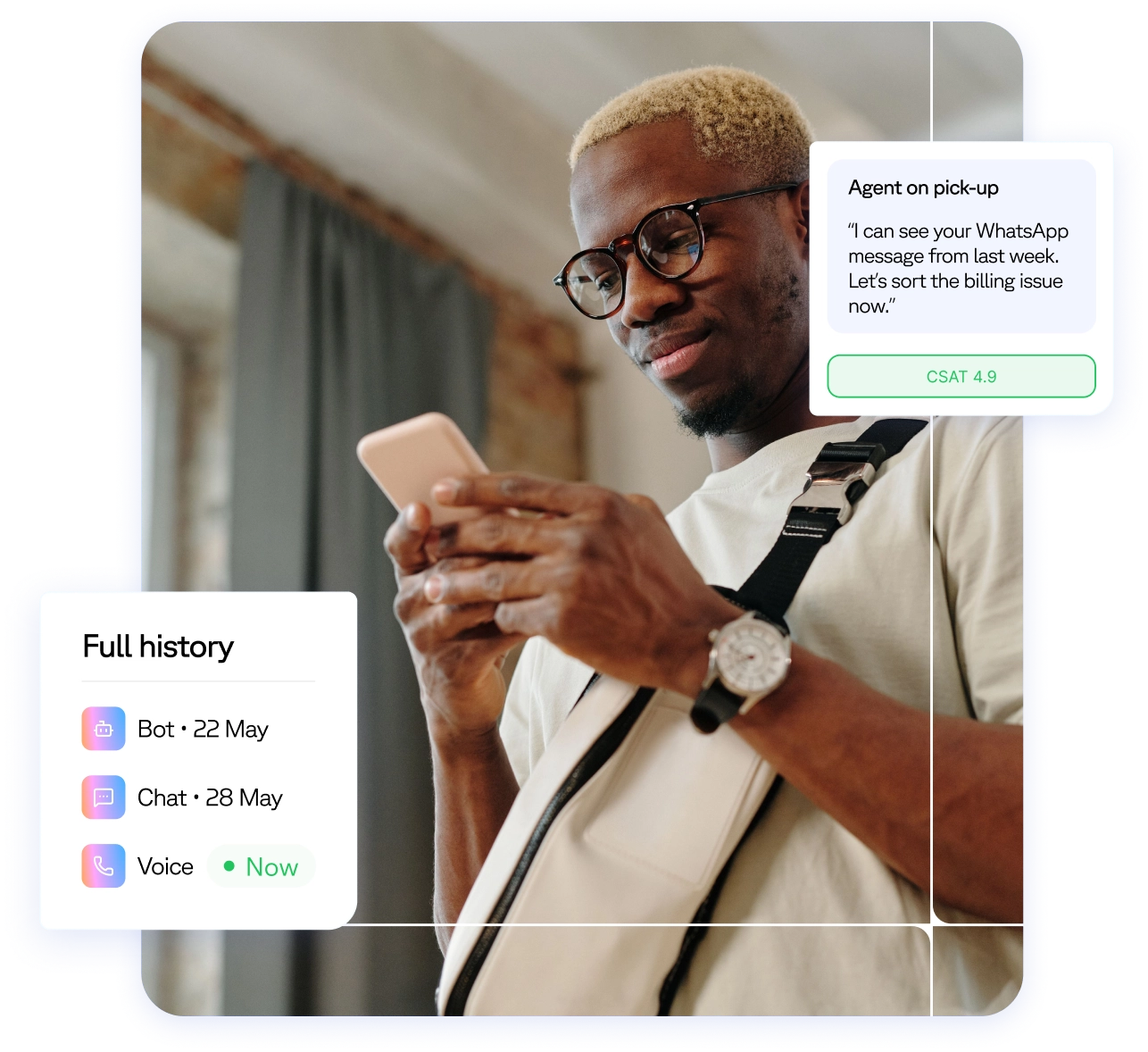
Phone, email, chat, messaging, and self-service work from one view of the patient and the case. A conversation that starts in one channel continues in another with the same context intact.

Result: Context carries across every channel the patient uses

PHI protection, audit trails, recording, retention, and access controls operate consistently across voice and digital interactions. The same controls cover every channel the contact center supports.

Result: One control environment covers every channel

Implementation proceeds in stages that fit your current clinical and administrative workflows. Each phase respects contractual obligations and the operational realities of running service while change is underway.

Result: Modernization moves forward while the operation keeps running

Latest resources for healthcare CX leaders

Practical insights on patient service, contact center technology, AI, and operations, helping healthcare organizations create seamless experiences for patients and care teams alike.

Frequently asked questions

Healthcare organizations need contact center technology that connects patient interactions with the clinical, administrative, and billing systems behind them. It should preserve patient context across channels, reduce manual work for care teams, and apply consistent privacy, access, recording, retention, and audit controls.

A connected contact center helps patients receive consistent information across appointments, prior authorizations, billing, and prescription inquiries. When employees can access the right patient and case information without searching across separate systems, patients receive answers faster and are less likely to repeat themselves.

Yes. Cisco and Webex Contact Center can integrate with healthcare and CRM systems such as Epic, Salesforce, Microsoft Dynamics, and ServiceNow. This allows patient context to move with the interaction and helps service teams work across clinical and administrative workflows.

Phone, email, chat, messaging, and self-service can work from a shared view of the patient and the case. If a conversation begins in one channel and continues in another, the interaction can move forward with the relevant context intact.

Integrating the contact center with EHR, billing, CRM, and other healthcare systems reduces the time employees spend searching for information, repeating steps, handling callbacks, and updating records. This helps patient service teams resolve inquiries more efficiently while reducing unnecessary work for clinical and administrative staff.

PHI protection, access controls, audit trails, recording, and retention policies should operate consistently across voice and digital interactions. Applying the same control environment across every supported channel helps healthcare organizations manage patient communications more consistently.

Yes. Modernization can proceed in stages that fit existing clinical and administrative workflows. A phased approach allows contact center technology and integrations to evolve while patient service operations continue running.

One environment for voice, digital, and EHR.

Designed around your existing clinical and administrative workflows.