
#01
Designed around reality, not idealized demos or template architectures.


Cloud contact center designed around how your service operation actually runs, delivered by a team that's done it for decades.
Trusted by leading organizations.





Cloud contact centers offer flexibility and speed to AI, but only deliver when the platform fits the operation. We design cloud environments that earn their place in how you run service.


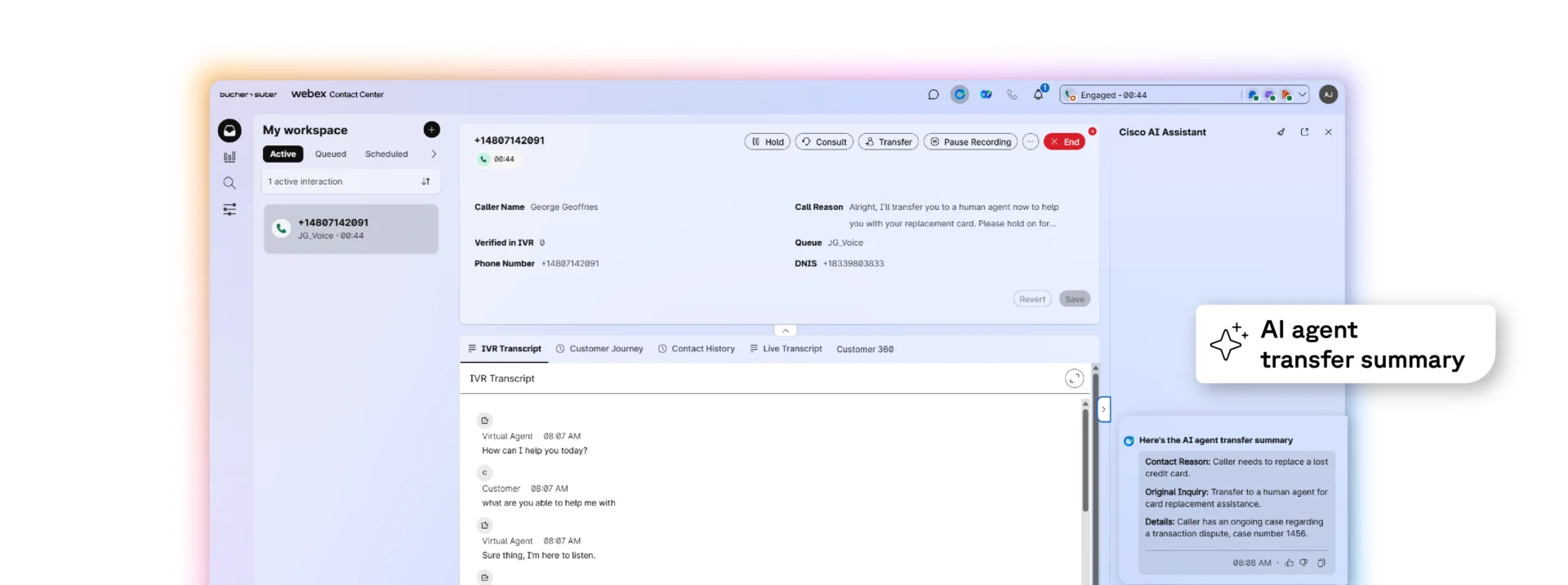
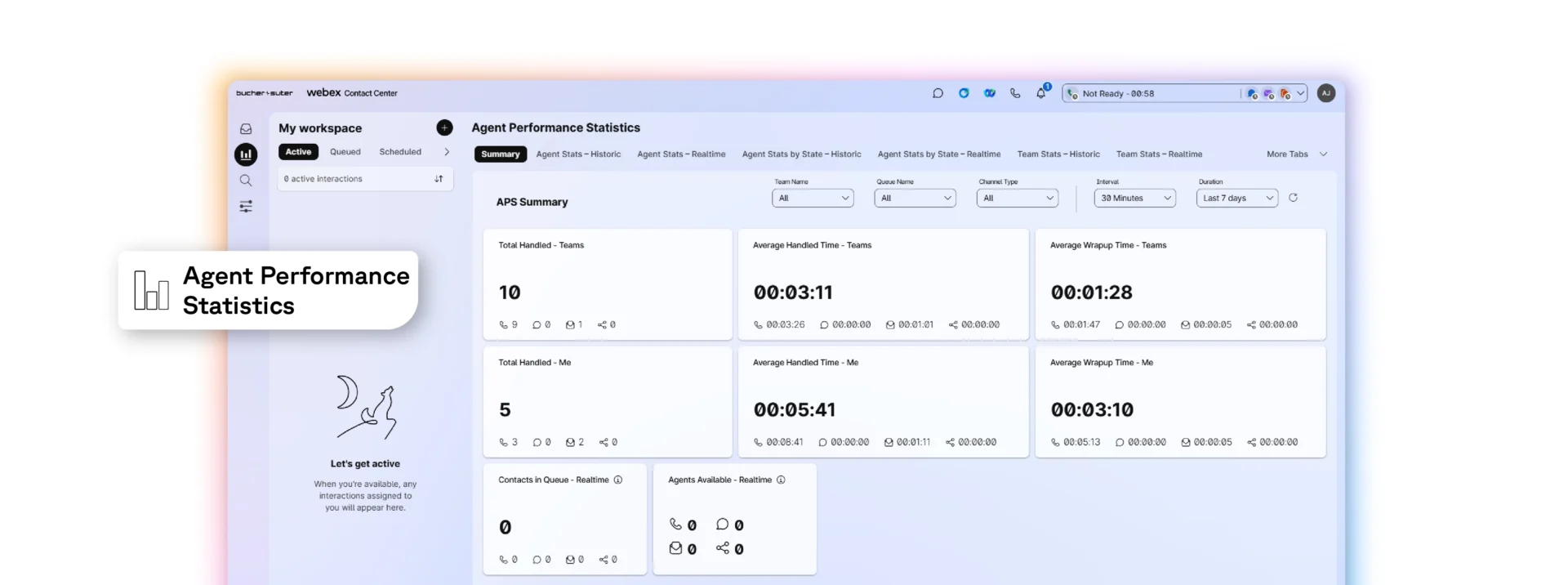
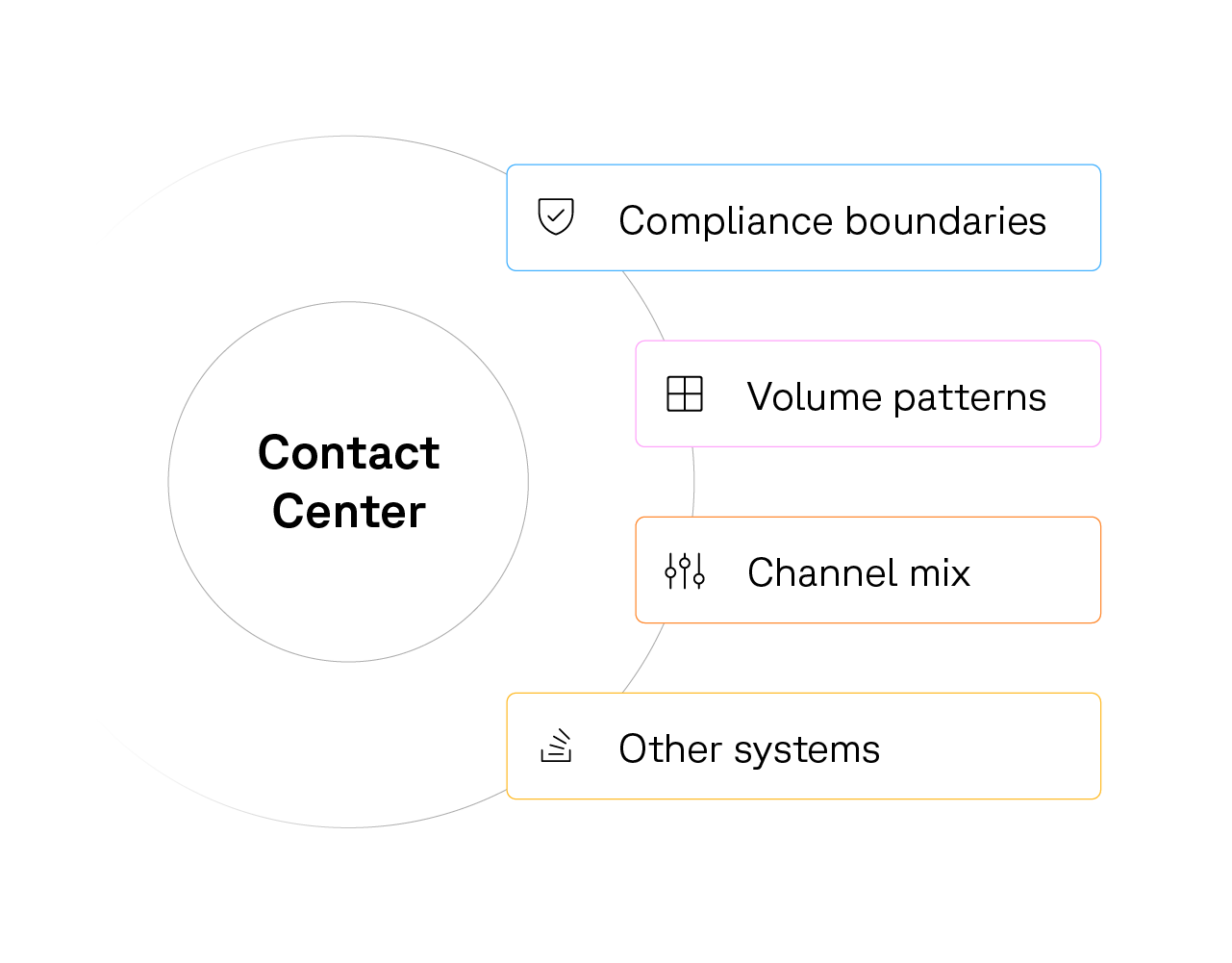
We start with how your contact center actually runs: volume patterns, channel mix, compliance boundaries, the systems it has to connect to. From there, we define a target architecture that reflects your priorities.

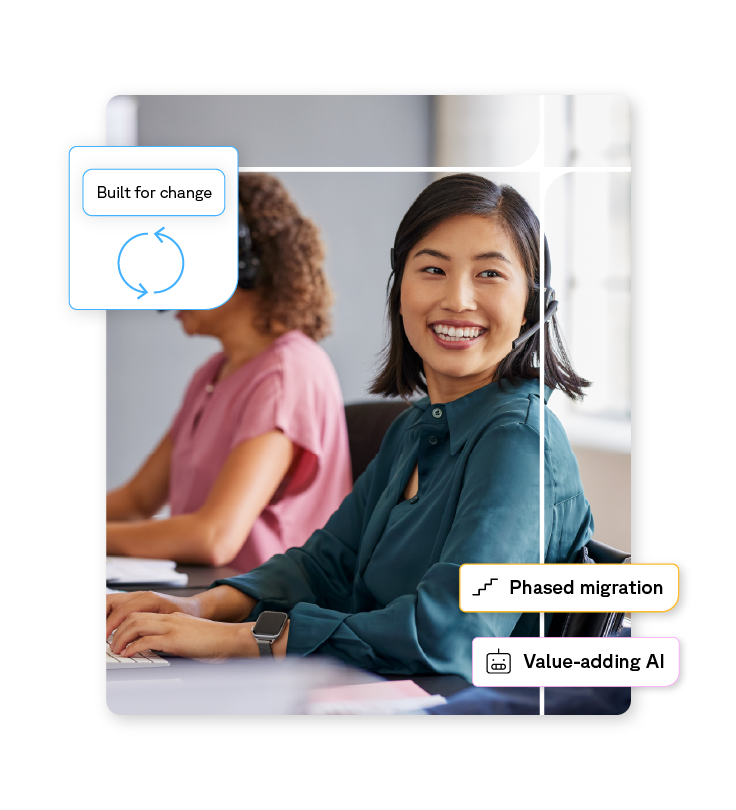
Live contact centers can't put customer interactions on pause. We phase transition work so customers get what they need, agents keep working with confidence, and the business keeps running.
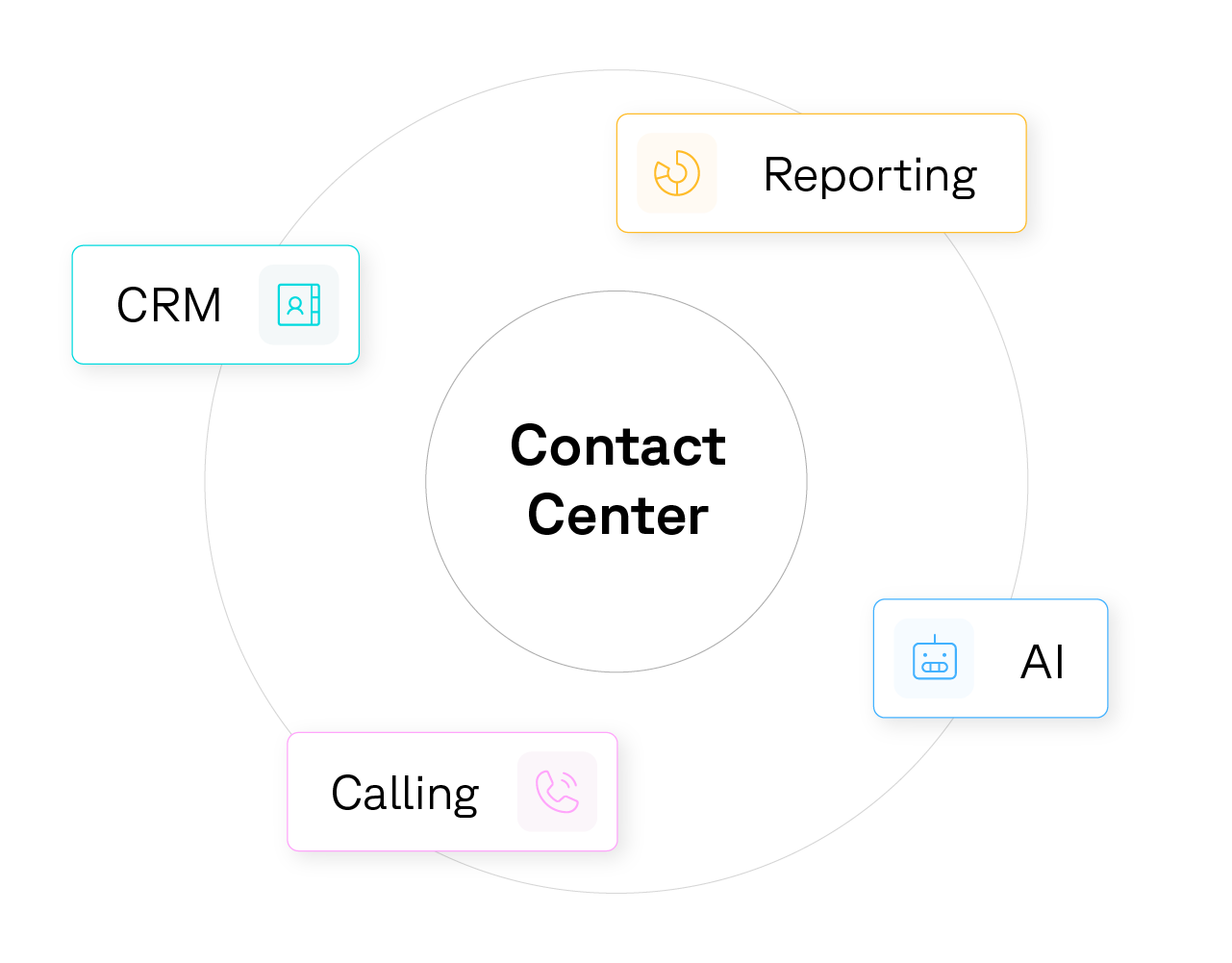
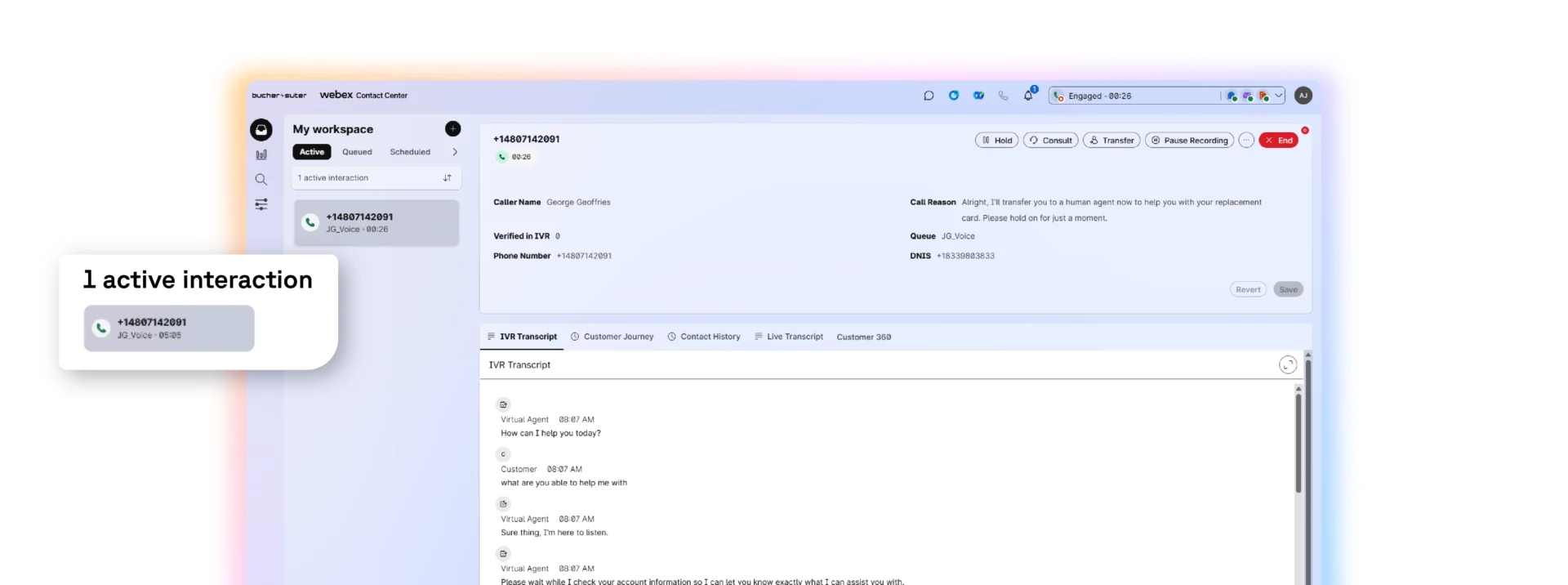
To deliver value, a cloud contact center has to see your data. We connect voice, digital channels, CRM, and analytics so agents work with full context, and reporting reflects the whole picture.

AI belongs where it reduces agent effort, eases customer friction, or helps supervisors take meaningful action. We design those use cases carefully, starting with where value is clearest and building outward.

We prepare your teams to get the most out of cloud tools, across agent desktop flows, supervisor dashboards, and the configuration work that keeps the platform aligned with how service evolves.

Volumes shift, integrations evolve, and what worked in month one might not work in month twelve. We stay involved, refining how the system performs as your operation changes around it.
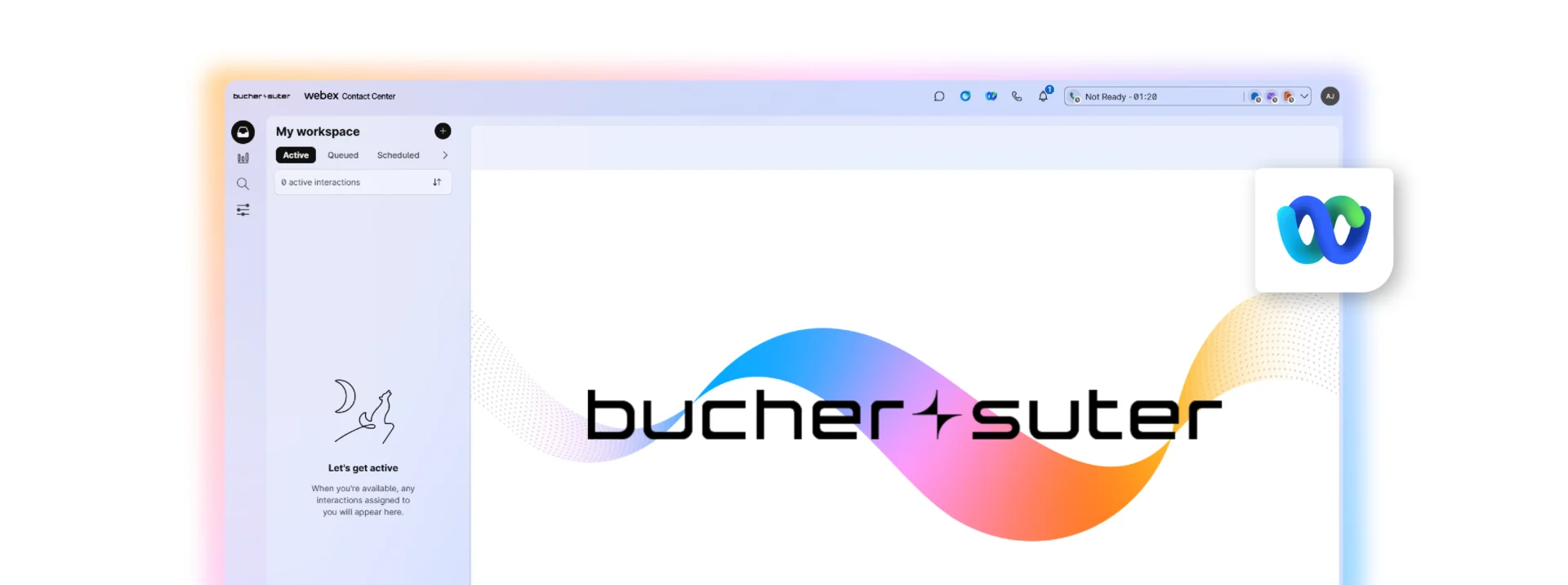
We build cloud contact centers on Webex Contact Center and Salesforce Contact Center, the platforms our customers most often choose for cloud delivery at enterprise scale. Which one fits best, or whether both make sense for different workflows, comes down to your existing estate, your CRM investment, and where you want agent experience to live.
#01
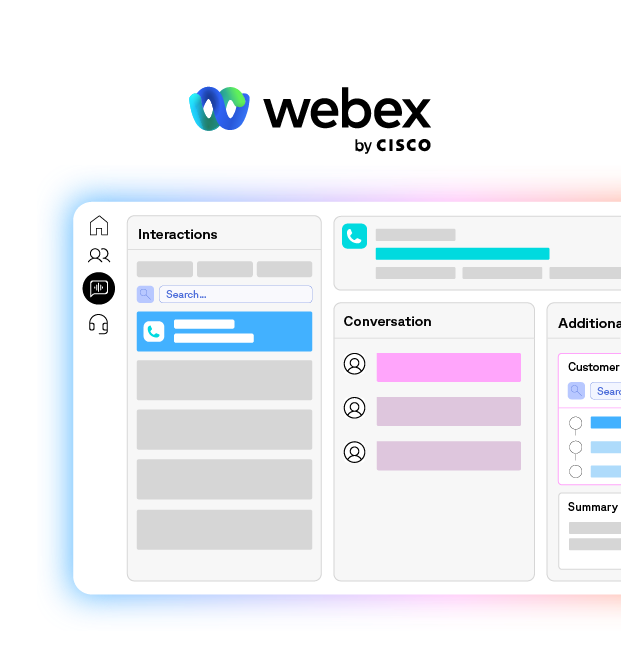
Webex Contact Center brings deep digital channel coverage and AI built across the platform, sitting inside the wider Webex ecosystem alongside Webex Calling (UCaaS) and Webex Connect (CPaaS). Contact center, internal collaboration, and customer messaging run on one stack rather than three.
#02
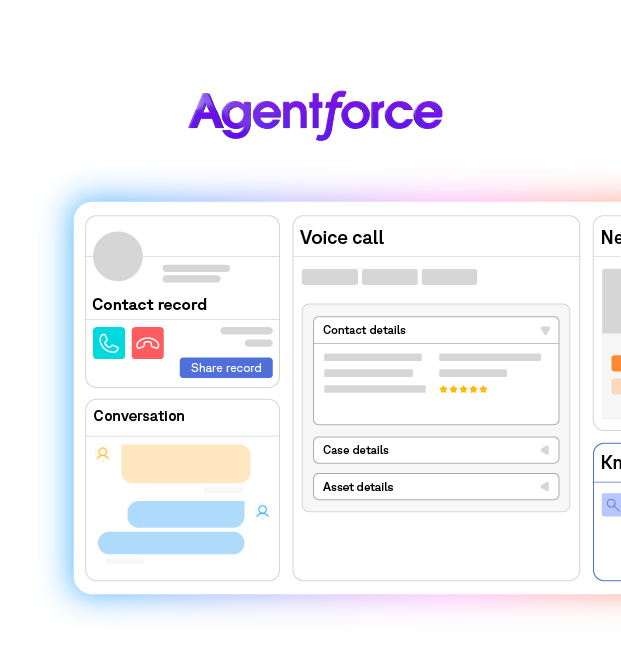
Salesforce Contact Center brings contact center capability directly inside Salesforce, with voice, digital channels, and AI agents operating alongside the CRM record. For organizations that need both worlds to coexist, we connect them into a coherent service layer rather than two parallel platforms.
#03
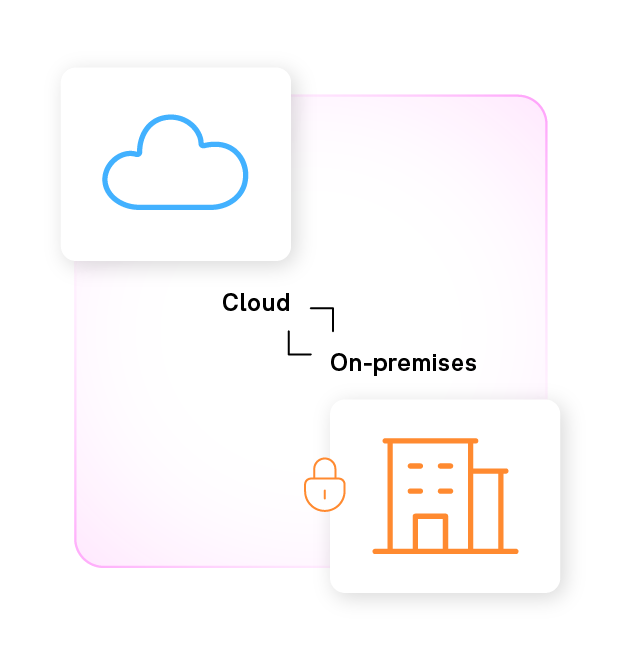
Hybrid Cloud Platforms keep more highly-regulated components on-premises while cloud handles everything else. If your cloud decision also involves keeping parts of the platform on-premises for compliance or control reasons, a hybrid cloud approach may be best.

The concern we hear most from CX leaders is what the transition looks like in practice, while volumes are high and tolerance for disruption is low. Answer: sequencing. Which parts of the current platform can move first and where parallel running is needed. How routing and reporting stay intact through the switch. When the legacy environment can be fully decommissioned, and on what signal.
For Bluebeam, that meant moving from a fragmented legacy setup into a Webex Contact Center environment designed around how their service team actually worked. Twelve months after go-live, agents were in a materially better position, customers were getting faster resolution, and the internal team had reclaimed significant time previously lost to platform friction.
✓ Agents working more efficiently
✓ A foundation for global scale
✓ Reclaimed time and resources
Cloud platforms give you the ability to change quickly. Whether that ability translates into better performance depends on who's paying attention to how the system is actually behaving. We stay involved with what comes after implementation: routing rules get monitored as volumes shift, tuning AI use cases, and refining agent desktop flows.
Wingo reached a live Webex Contact Center environment six months from project start. What matters more is what followed: ongoing refinement of routing logic, channel handling, and reporting as the service model matured and the business grew around it.
✓ Reduced average speed of answer by 10+ seconds
✓ Eliminated voice quality complaints
✓ Real-time supervisor oversight
✓ Live in six months
Perspectives on cloud contact center the teams working inside complex CX environments today.
A cloud contact center is a customer service environment delivered through cloud-based contact center technology, often called Contact Center as a Service or CCaaS. It brings voice, digital channels, routing, reporting, integrations, and AI into an environment that can adapt as service needs change.
Start with how your contact center operates today: volume patterns, channel mix, compliance requirements, integrations, workflows, and service priorities. We use that understanding to design a target cloud contact center architecture that fits the operation rather than forcing it into a standard template.
We plan contact center cloud migration in phases, based on what can move first, where parallel operation is needed, and how routing and reporting will remain intact during the transition. This protects live service while agents, customers, and systems move to the new environment.
The right CCaaS platform depends on your existing technology, CRM investment, workflows, and where you want the agent experience to live. We work with Webex Contact Center and Salesforce Contact Center and can connect both where different workflows require different platforms.
Yes. We connect cloud contact center platforms with CRM, voice, digital channels, analytics, and other business-critical systems. This helps customer context move between platforms, gives agents a more connected workflow, and makes reporting reflect the wider service operation.
A fully cloud-based model fits some organizations, while others need to retain certain components on-premises for compliance or control. A hybrid contact center combines cloud capabilities with selected on-premises systems. The right model depends on your operating, technology, and compliance requirements.
AI should be introduced where it can reduce agent effort, remove customer friction, or help supervisors take useful action. We start with the use cases where the value is clearest, connect AI to the right data and workflows, and expand from there.
Go-live is the start of ongoing improvement. As volumes, integrations, and expectations change, routing, reporting, AI use cases, and agent workflows may need to change with them. We stay involved to help keep the cloud contact center aligned with how the operation develops.